If you have been dealing with lower back pain from sitting, whether after a day at a desk, a stretch of work from home, or the drive along Innes or Tenth Line, you are not imagining the connection. I am Dr. Mark Hunter, and I have been a chiropractor in Orleans since 2006. A tired, stiff, or catching low back after a long period of sitting is one of the more common things people tell me about when they come in.
Sitting is simply a large part of modern life. That does not mean you have done something wrong. It does mean your low back may spend hours in nearly the same position, with fewer chances to move than it was built for.
Why lower back pain from sitting is so common
Your spine is designed for regular, varied movement through the day, not for staying in one position for hours. In Choice 7 of my book, 10 Choices, I put it this way: "An hour of exercise is valuable, but it does not compensate for 6 to 8 hours spent sitting." A walk at lunch or a workout after work still matters. It just cannot fully undo a day spent almost still.
When I examine someone with this kind of discomfort, what I often find is a spinal restriction: a joint in the low back or pelvis that is not moving as well as it should. You usually cannot feel the restriction itself while it is building. You tend to notice it later, once that area becomes irritated. It may show up as stiffness when you stand up from a chair, a dull ache by late afternoon, tightness through the hips, or a catch when you bend or reach.
Restrictions can develop from the ordinary load of the day: long sitting, repetitive work, and the way the body holds itself at a desk or in a car. A lift or a workplace strain can cause them too. The pain can feel sudden even when the joint has been getting less mobile for some time. That is not a personal failing. It is a common pattern in a life that asks us to sit more than we move.
A webpage cannot tell you exactly what is going on in your back. Back pain has more than one cause, and two people can sit for similar hours and feel very different. The useful first step is a careful look at how those joints are actually moving, and at what your day looks like.
Small changes that may help during the day
In Choice 6 of 10 Choices, I write that the body needs regular, low-intensity movement throughout the day, in addition to formal exercise. That means walking more, moving more and sitting less. The two are not the same job.
You do not need a complicated routine. Many people find it helpful to stand or walk for a minute or two at regular intervals and to change position often. Take a short walk when you can, or a brief movement break when a longer one is not practical. These are supports, not a promise that discomfort will disappear. If a movement bothers you, skip it, and we can talk about what fits you better in person.
How I look at this in my Orleans clinic
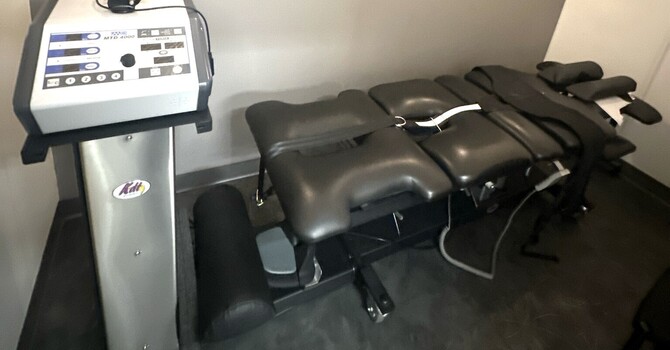
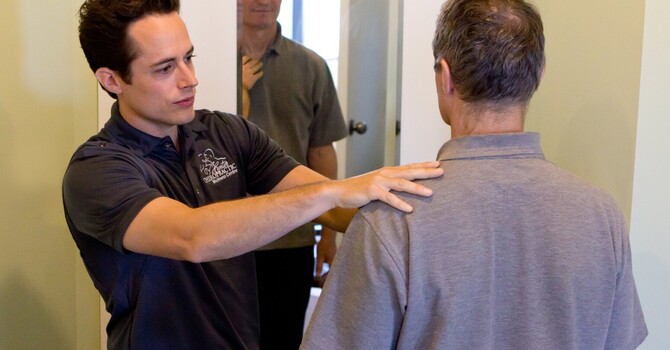
If lower back pain from sitting has been lingering, or keeps returning after it eases, a first visit is a good place to start. It usually takes about 30 minutes. We talk about what you have been feeling, what eases or aggravates it, and what you are hoping will change. Then I examine how the individual joints of your spine are moving. If x-rays would help me understand the picture, I will tell you why, and we can take them here in the clinic.
If I am confident I can help, we can begin care that same day. A chiropractic adjustment in this clinic is gentle and matched to your comfort. The aim is to help restricted joints move more freely, and then to look at simple habits that may support that work. There are no contracts and no prepaid packages, and we reassess as we go. If chiropractic is not the right fit, I will say so and help you consider a better next step.
Care may help with this kind of discomfort. Everyone responds in their own time, and I will not promise a particular result.
When to seek medical care first
Most sitting-related back discomfort is mechanical, but not all of it is. Please seek medical care promptly if the pain began after a major fall or accident. The same goes for unexplained weight loss, fever, progressive weakness, or a change in bladder or bowel control. Those signs deserve a medical assessment first.
If what you have been noticing is more of a gradual ache or stiffness from the workday and the commute, and you would like it looked at, you are welcome to start here.
Book Now or call 613-841-9355.

Mark Hunter
Contact Me