If a disc problem is part of the back pain or neck pain you have been dealing with in Orleans, you may have come across spinal decompression and wondered what it actually involves. I am Dr. Mark Hunter, a chiropractor at Hunter Chiropractic Wellness Centre, here in Orleans since 2006. Decompression is one option I may talk with you about after a careful examination. It is not the first step for every back or neck problem, and it is not a substitute for that examination.
What spinal decompression is
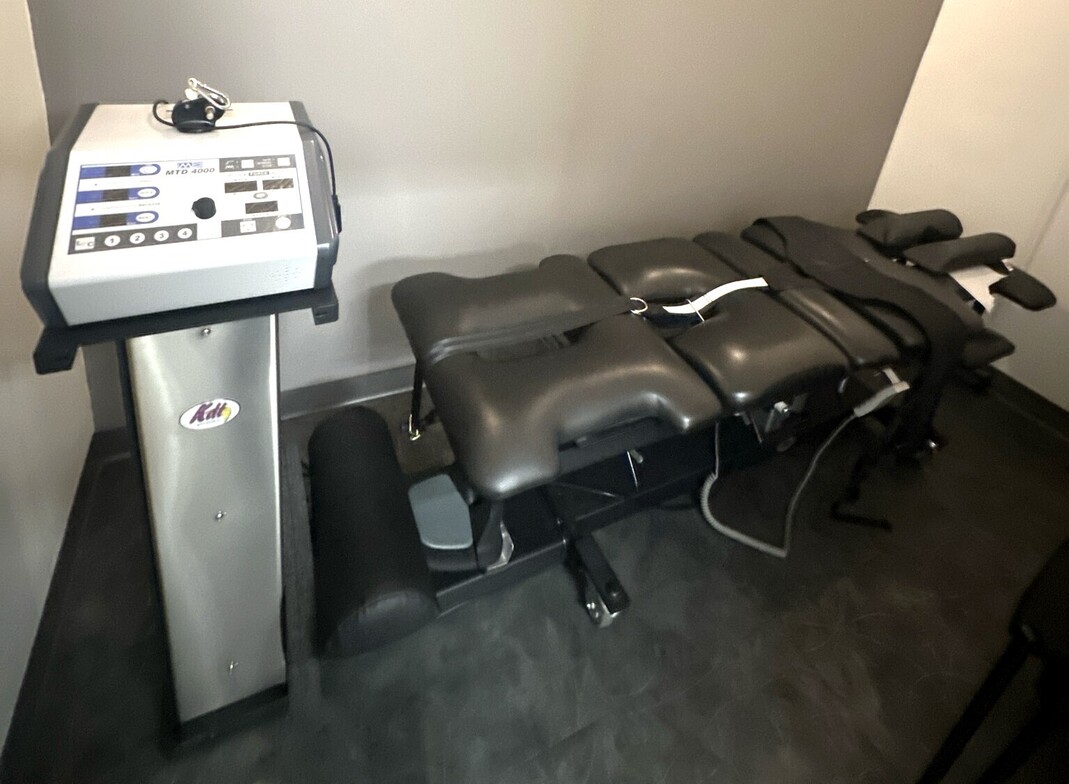
Spinal decompression is a gentle, non-surgical, table-based treatment. You remain clothed and lie on a specialized table. The table then applies a slow, controlled stretch to the spine, followed by a period of ease, in a repeating rhythm.
The idea is straightforward. By creating a little more space, the stretch may take some pressure off a sore or irritated disc and the nearby nerves, and give that area a better chance to settle. Some of the research around these tables also suggests the stretch may help fluid and nutrients move through the disc, though that part of the picture is still being studied. I will not promise that a disc will heal, or that symptoms will change in a set way.
When decompression is a good fit, it can be used alongside chiropractic adjustments. An adjustment may still be part of the same visit when it is appropriate. There is a shorter overview on our spinal decompression page.
How I decide who it may help
I am most likely to consider decompression when symptoms seem related to compression of a disc. That might be a bulging or irritated disc in the low back or neck, pain that travels into an arm or a leg, or a stubborn disc-related ache that has not eased as we hoped. That includes some cases of sciatica and some disc injuries.
It is not the right choice for everyone. A finding on a scan is not the whole story, either. Some people have a visible disc change and very little discomfort; others are quite uncomfortable with a similar picture on imaging.
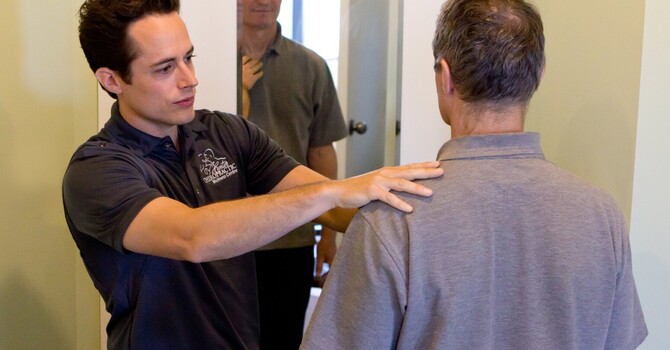
A first visit is where we sort this out. I start by listening: when the pain began, what makes it better or worse, whether it travels, and whether you have already had imaging done. I then examine how your spine and the joints around the affected area are moving. If digital x-rays would help, I will tell you why, and we can take them here in the clinic. You do not need an MRI to book. If you already have a scan or a report, it helps to bring it.
After the examination, we decide together whether gentle adjustments, spinal decompression, a combination of the two, or a different kind of care is the right next step. If something needs a medical assessment first, I will tell you plainly. I will not use a one-size-fits-all program, or a set number of visits sold as a package.
What a session feels like
If we go ahead with decompression, I will position you carefully on the table and explain what you will feel before we start. The table then applies a gradual stretch, then eases, then repeats. Most people describe it as a slow pull rather than a sudden movement.
Sessions are typically short, often around ten or twelve minutes. I stay nearby so we can change the stretch if anything feels like too much. A longer pull is not necessarily a more useful one. Comfort and a sensible amount of stretch matter more than time on the table.
How we check progress
How many visits make sense depends on what I find and how you respond. There is no set number, and I would rather review your progress honestly than lock you into a long course in advance. We reassess as we go. The goal is always to get you the results you need in as few visits, and at as little cost to you, as possible. There are no contracts and no prepaid packages.
If we go ahead, we will also talk about the simple things that support a disc between visits: how long to sit before moving, how you lift, and when to change position.
Care may help with disc-related discomfort. Everyone responds in their own time, and I will not promise a particular result. If this is not the right path for you, I will say so.
When to seek medical care first
Please get a medical assessment first, or go to the emergency department or call 911, if you have new loss of bladder or bowel control, numbness around the groin or inner thighs, leg weakness that is getting worse, or severe pain that nothing changes. Pain that keeps you up at night is also a concern that deserves a medical assessment first.
If you have been told you have a disc problem, or you suspect that might be what you are dealing with, and nothing urgent needs attention first, you are welcome to start here. Spinal decompression is booked by phone, rather than online. Please call 613-841-9355, and we can decide together whether it is a good fit. Hunter Chiropractic Wellness Centre is at 200 Vanguard Drive, Unit 2, Orleans.

Mark Hunter
Contact Me