If you have been reading about the Webster technique, it helps to have a clear, plain explanation before you book. I am Dr. Mark Hunter, a chiropractor in Orleans since 2006, at Hunter Chiropractic Wellness Centre on Vanguard Drive. I provide chiropractic care during pregnancy, and I am certified in the Webster technique through the International Chiropractic Pediatric Association (ICPA).
Pregnancy changes how the spine, pelvis and surrounding muscles share the load of everyday movement. As your body adapts, spinal or pelvic restrictions can contribute to discomfort in the low back, pelvis or hips, or down into a leg. A restriction is a joint that is not moving as it should. The Webster technique is one way I may work with the sacrum and pelvis during that time. It is not the only approach I use, and it is not right for every person or every day.
When I use this technique, I am still looking at the whole person. That means how the spine and pelvis are moving that day, what has been comfortable or uncomfortable, and how care should be adapted as pregnancy progresses. Certification through the ICPA means I have completed the training for this specific analysis and adjustment. It is not a specialty title, and it does not replace a careful first visit.
What the Webster technique is
The Webster technique is a specific chiropractic analysis and adjustment of the sacrum and pelvis, used during pregnancy.
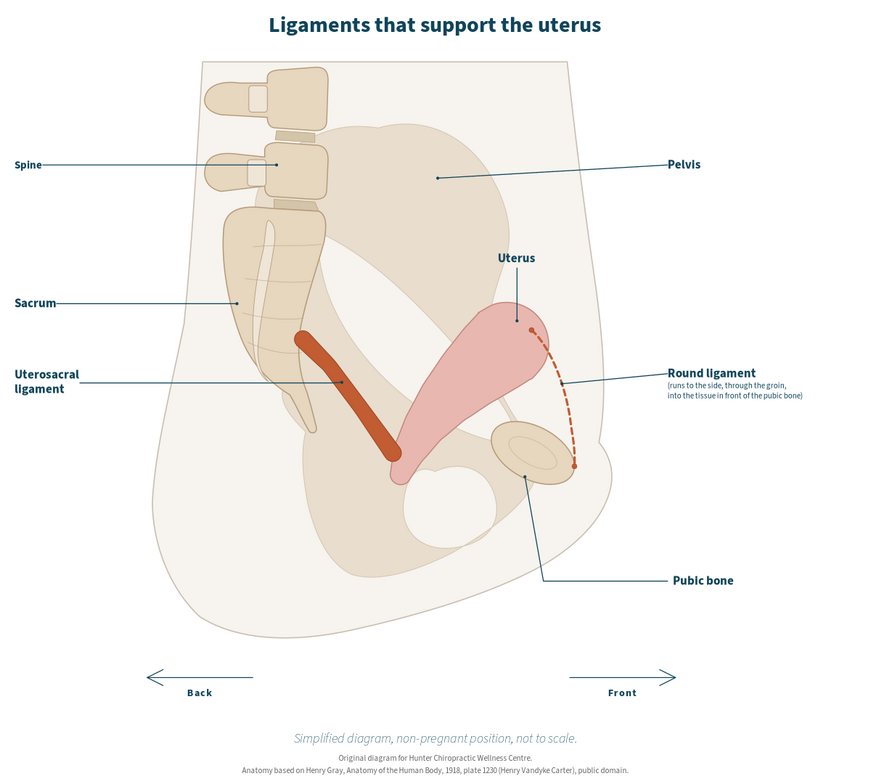
During pregnancy, pelvic restriction and imbalance can add tension to the ligaments that support the uterus. That uneven tension may make it harder for the baby to move freely and settle into a good position for birth. The Webster technique aims to find restriction in the sacrum and pelvis and improve that balance.
Care is gentle and matched to your comfort and stage of pregnancy. Together we choose an approach and a position that feel appropriate that day. A chiropractic adjustment in this clinic is never a one-size method. If something does not feel right, tell me in the moment and we will change course.
A first visit is how we look at what is going on and decide whether care, including the Webster technique, is a good fit. We talk about your pregnancy, the discomforts you have been noticing, and your questions. I examine how the spine and pelvis are moving. If I am confident I can help, we can often begin that same day. If I do not think chiropractic is the right step, I will say so and help you find a better next one.
There are no contracts and no long plans of visits, and we reassess as we go.
People often come in with low back pain, pelvic or hip discomfort, or sciatic-type pain during pregnancy. Care may help with those common discomforts. I will not promise a particular result, and everyone responds in their own time.
How it fits with your prenatal care
The purpose of chiropractic care in pregnancy is to support comfort and function, help reduce restriction, and help reduce vulnerability to pain and irritation. That is what this work is meant for. Healthy lifestyle choices can also support pregnancy and birth.
Chiropractic care is not a substitute for obstetric or midwifery care. These kinds of care are complementary, and they work alongside each other.
After the baby arrives
Your body keeps changing after the baby arrives. If you have lingering low back, pelvic or hip discomfort, or you simply want your spine and pelvis checked as you recover, we can look at that too. Postpartum care is gentle and built around how you are feeling that day.
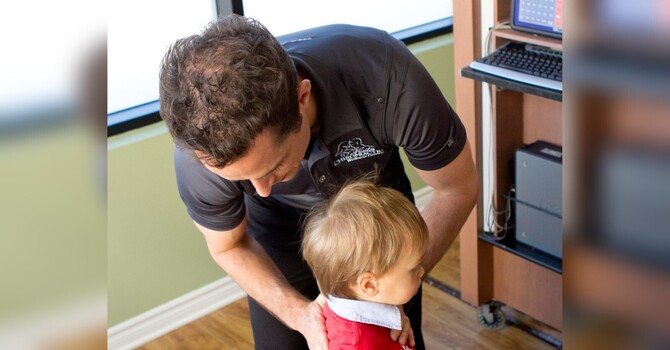
When you are ready, we also welcome infants and children for a gentle spine check, with you in the room. For an infant, an adjustment often means light fingertip pressure. That is a separate visit, and we only begin care with informed parental consent.
If you would like to talk through whether the Webster technique is appropriate for you, the next step is a first visit. Book Now or call 613-841-9355.

Mark Hunter
Contact Me